
bathroom round mirror with light
Understanding IR Reflective Glass Technology and Applications Infrared (IR) reflective glass has emerged as an essential material in various industries due to its unique properties, primarily its ability to reflect infrared radiation while allowing visible light to pass through. This innovative technology has become increasingly relevant, especially as environmental concerns and energy efficiency gain prominence. In this article, we will delve into the fundamentals of IR reflective glass, its manufacturing process, and its diverse applications across different sectors. What is IR Reflective Glass? IR reflective glass is a type of glazing that incorporates a special coating designed to reflect infrared radiation—essentially heat—while also transmitting visible sunlight. This balance allows for natural light illumination indoors without significantly increasing indoor temperatures. The coatings can be applied to both clear and tinted glass surfaces, enhancing their thermal performance. Infrared radiation is part of the electromagnetic spectrum and is not visible to the human eye; however, it contributes significantly to heat, which can affect energy consumption in buildings and vehicles. Manufacturing Process The manufacturing of IR reflective glass typically involves a sputtering process, where thin layers of metallic oxides, such as silver or tin oxide, are deposited onto the glass surface in a vacuum environment. This process creates a durable and effective coating that optimizes the glass's ability to reflect infrared energy while allowing light transmission. The thickness and composition of the coating are carefully controlled to achieve the desired levels of reflectivity and transmission. Quality control is paramount throughout the manufacturing process, as the performance of IR reflective glass can be affected by factors such as application method, coating uniformity, and substrate quality. Manufacturers often conduct thorough testing to ensure that the glass meets industry standards for performance and durability. Applications of IR Reflective Glass ir reflective glass IR reflective glass finds applications in numerous fields, with a significant impact on energy efficiency and comfort. 1. Architecture and Building Construction One of the primary uses of IR reflective glass is in commercial and residential buildings. By reducing heat gain from sunlight, it helps maintain comfortable indoor temperatures, thereby decreasing the reliance on air conditioning systems. This not only lowers energy consumption but also contributes to cost savings for homeowners and businesses. 2. Automotive Industry In modern vehicles, IR reflective glass is used in windows and windshields to enhance passenger comfort and reduce the need for air conditioning. By blocking a significant portion of infrared radiation, manufacturers can ensure a more pleasant ride without straining the vehicle’s energy resources. 3. Solar Energy The solar energy sector utilizes IR reflective glass in solar panels to improve efficiency. By minimizing heat buildup on the surface of the panels while allowing optimal light penetration, these panels can perform better and yield more energy. 4. Electronics In the realm of consumer electronics, IR reflective glass is used in screens and displays to protect sensitive components from heat without compromising visual quality. This is particularly significant in high-performance devices that generate substantial amounts of heat. 5. Aerospace and Industrial Applications The aerospace industry also benefits from this technology, as IR reflective glass can improve thermal regulation in aircraft cabins. Furthermore, industrial machinery often employs this type of glass to protect sensitive components from overheating while allowing operators to monitor processes visually. Conclusion The advancement of IR reflective glass technology represents a significant step toward energy efficiency and comfort in various applications ranging from architecture to automotive. As the world becomes increasingly focused on sustainability, the demand for materials like IR reflective glass is likely to grow. By harnessing the benefits of this innovative glass type, industries can contribute to a more energy-efficient future while maintaining optimum functionality and comfort for users. Such advancements demonstrate how scientific innovation continuously transforms traditional materials into solutions that address contemporary challenges.

-

wall mirror with lights for bedroom
wall mirror with lights for bedroom
View Details -
standing led mirror
standing led mirror
View Details -
800mm led bathroom mirror
800mm led bathroom mirror
View Details -

tinted glass for sale
tinted glass for sale
View Details -
50 inch bathroom mirror
50 inch bathroom mirror
View Details
Our application
-
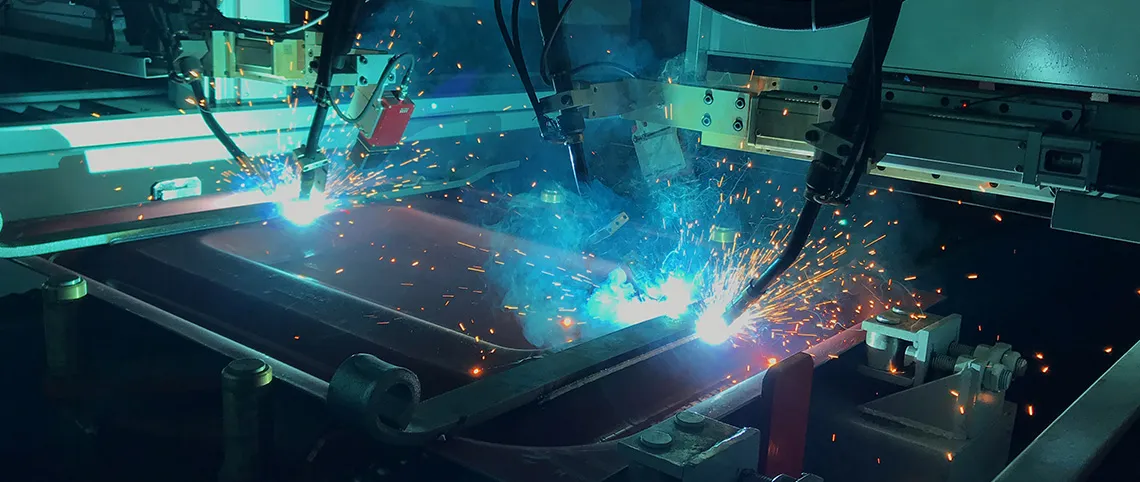 read more
 -
 read more
 -
 read more
 -
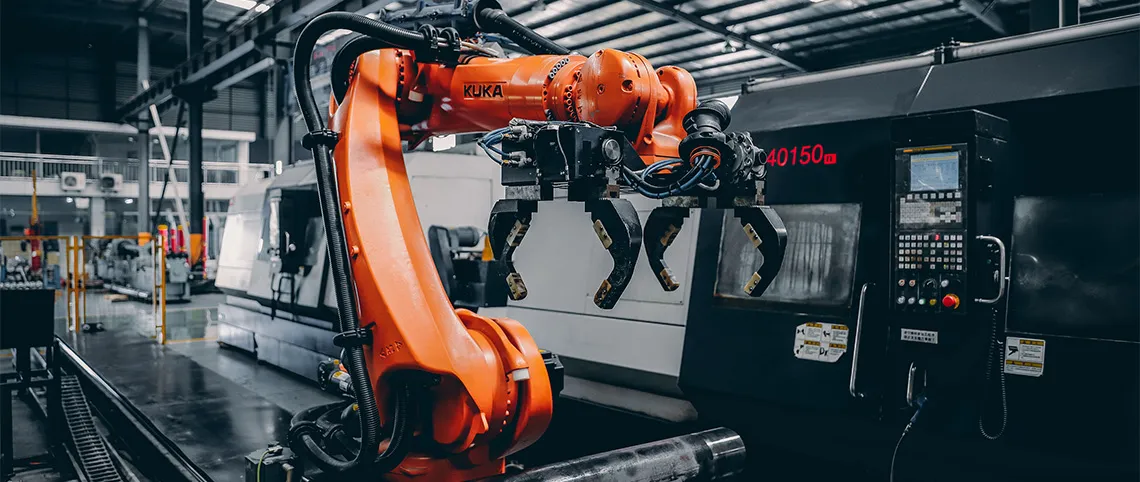 read more
 -
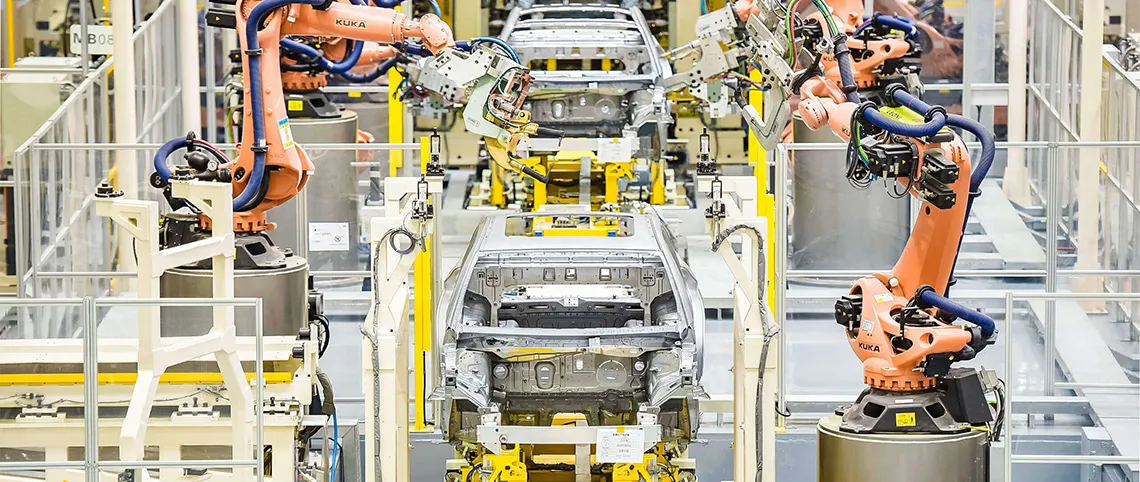 read more
 -
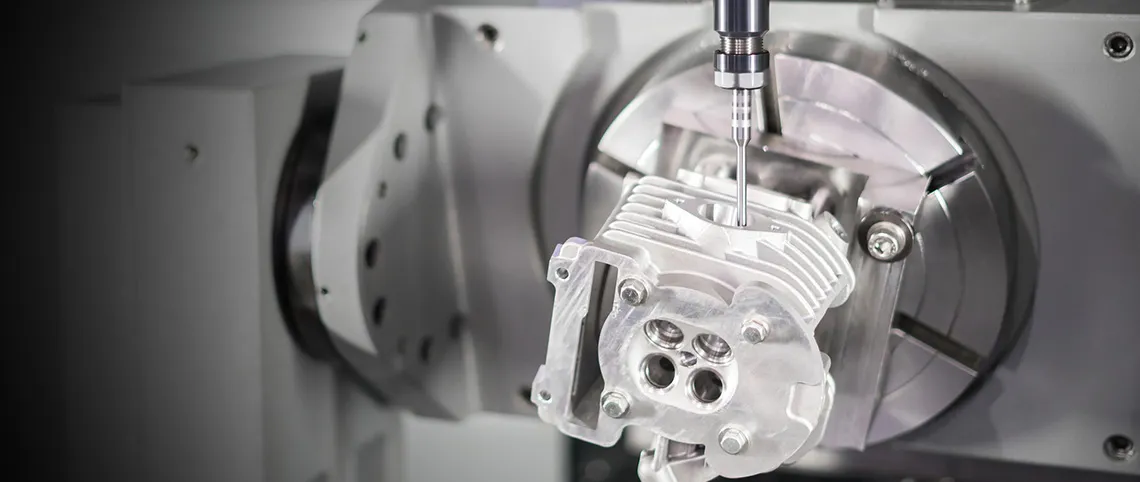 read more
news and information

Vertical Y Strainer Design and Applications in Fluid Management Systems
Understanding Vertical Y Strainers Essential Components for Fluid Systems In the world of fluid mana
wood frame truss nail plate
Understanding Wood Frame Truss Nail Plates A Structural Perspective In the realm of modern construct

y type strainer valve
Understanding Y-Type Strainer Valves An Essential Component for Fluid Systems Y-type strainer valves